News and Events
Stay informed about RECOVER’s Long COVID research by reading the latest news and participating in upcoming events.

Stay informed about RECOVER’s Long COVID research by reading the latest news and participating in upcoming events.
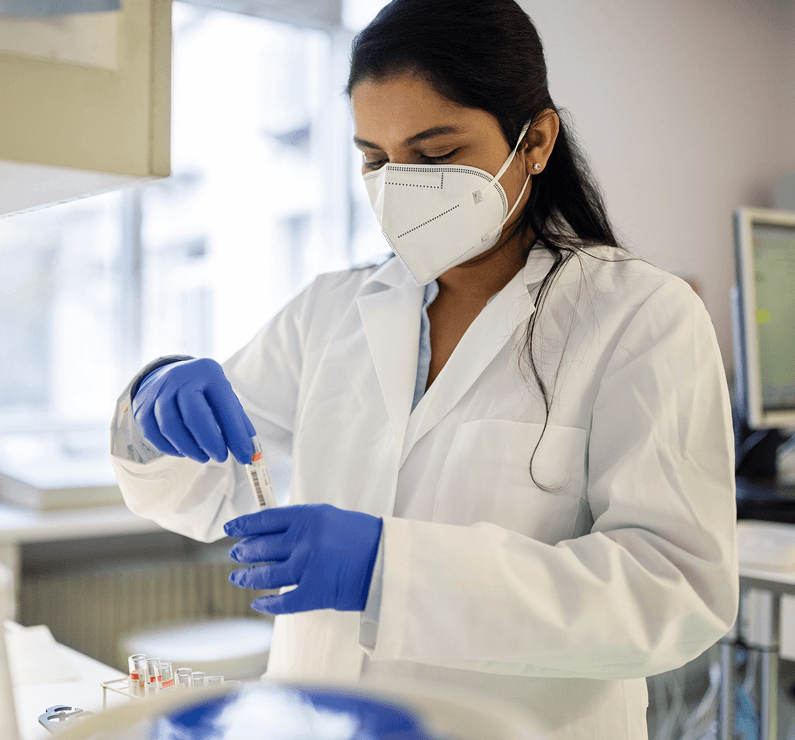
The next phase of RECOVER’s pathobiology studies will focus on discoveries that can more immediately inform efforts to diagnose, prevent, and treat Long COVID.
Findings from RECOVER’s pediatric observational study show that Long COVID can affect children’s health and daily lives in different ways. During the September 15, 2026, RECOVER Research Review (R3) Seminar, researchers Rachel Gross, MD, MS; Kay Rhee, MD, MSc, MA; and Harrison Reeder, PhD, shared findings on Long COVID symptoms in children, factors that may increase Long COVID risk, and how the condition can affect learning and social development. RECOVER Patient and Caregiver Representative Ann Wallace, PhD, and Caregiver Representative Laura Covington also shared their families’ experiences navigating Long COVID and seeking support.
During the next phase of the adult observational study, RECOVER researchers will continue investigating the causes of autonomic dysfunction, with symptoms such as dizziness, rapid heart rate, and extreme fatigue.
RECOVER researchers continue to publish findings that could help scientists, doctors, patients, and caregivers navigate the complexities of Long COVID.
In early 2027, RECOVER will launch the next phase of its pediatric study, following more than 4,300 children, teens, and young adults over 2 years to learn how Long COVID changes as they grow up.
NIH invites investigators to apply for a new research opportunity, which funds pathobiology studies. Applicants can request use of data and biosamples from RECOVER observational studies and, for the first time, RECOVER clinical trials.
In 2026 so far, RECOVER has published new research findings across nearly all its different studies and will soon be enrolling participants for the next phases of the adult observational study and clinical trials.
Throughout this phase, RECOVER will continue to collect information from about 5,000 people for 2 years to build a deeper understanding of how Long COVID affects people over time.
ISCORE, a RECOVER hub spanning 10 states and Puerto Rico, is bringing Long COVID studies to communities often underfunded in research, drawing on decades of HIV experience to tackle another new infectious disease.