
What is Long COVID?
People of all ages, sexes, races, ethnicities, and backgrounds can experience the long-term health effects of COVID-19.
Overview
Many people experience symptoms and health problems for months or even years after getting COVID-19. Patients and their families often call this condition Long COVID, and doctors and scientists may refer to it as post-acute sequelae of SARS-CoV-2 (PASC).
If you have Long COVID, you’re not alone. The National Institutes of Health (NIH) and the RECOVER Initiative are committed to learning more about the long-term effects of COVID so we can understand, diagnose, prevent, and treat them.
As we learn more about Long COVID, we’ll update the information on this page.
COVID-19 and Long COVID
Long COVID is an infection-associated chronic condition (IACC).
IACCs result from infections, or diseases caused by microorganisms, including viruses like SARS-CoV-2, the virus that causes COVID. These infections can cause long-lasting (chronic) symptoms even after someone has recovered from the original (acute) infection.
Other examples of IACCs include health problems triggered by Epstein-Barr virus and Lyme-associated chronic illnesses, and some cases of postural orthostatic tachycardia syndrome (POTS) and myalgic encephalomyelitis/chronic fatigue syndrome (ME/CFS).
People can develop Long COVID regardless of how sick they feel when they have COVID.
Some people who experience no COVID symptoms can still develop Long COVID. Even people who never knew they had COVID—because they never received a diagnosis or tested positive for COVID—can experience symptoms associated with Long COVID.
Symptoms
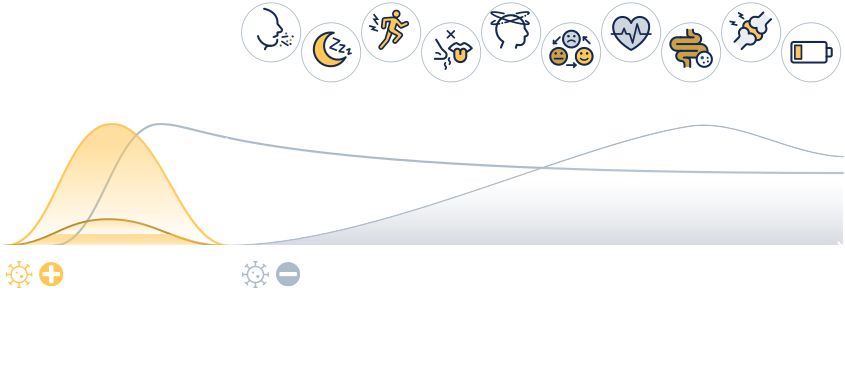
Patients have reported and researchers have documented over 200 symptoms of Long COVID.
Some of the most common of these symptoms include:


Every person can be burdened differently by their Long COVID symptoms. Some people have symptoms that are manageable, while others may feel so sick that they find it difficult to work, go to school, take care of their families, or take care of themselves without assistance.
Types of Long COVID
The long-term effects of COVID can be different for everyone.
Long COVID can affect many different parts of the body, such as the lungs, heart, and brain. Researchers believe that specific patterns of Long COVID symptoms called clusters could be distinct types (phenotypes) of Long COVID. People who have Long COVID can also experience multiple symptoms at the same time or at different times, and these symptoms can belong to different clusters.
Researchers are investigating whether there is a specific type or types of Long COVID that affect only children (pediatric Long COVID). Studies show that Long COVID can affect children differently than adults. Long COVID can also affect children differently depending on their age, with some symptoms more common in younger children and other symptoms more common in older children, like teenagers.
For more information about how Long COVID can affect young children (ages 0-5) and older children (ages 6-17) differently, read RECOVER's Pediatric Long COVID Tip Sheets.
Timing
People suffering from Long COVID have symptoms for at least 3 months.
These symptoms can get better or worse or even come and go the entire time someone has Long COVID.
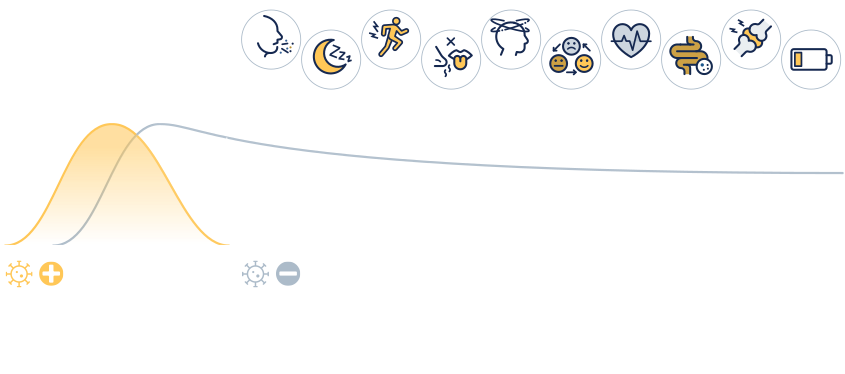
Some people start feeling sick when they get COVID and continue to have symptoms for months.
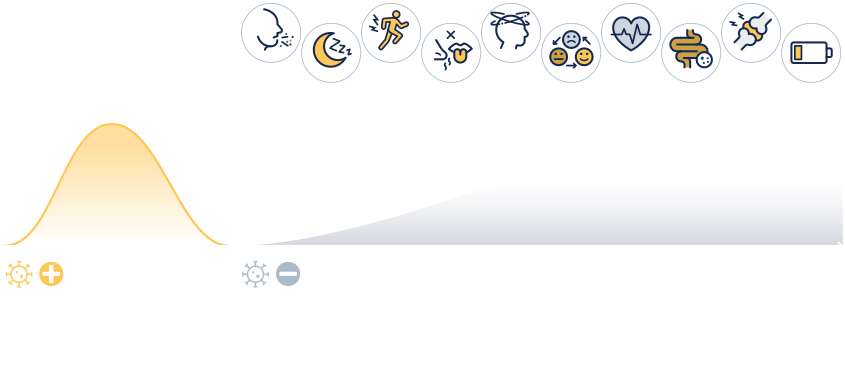
Other people start having new symptoms weeks or months after their acute COVID symptoms go away.
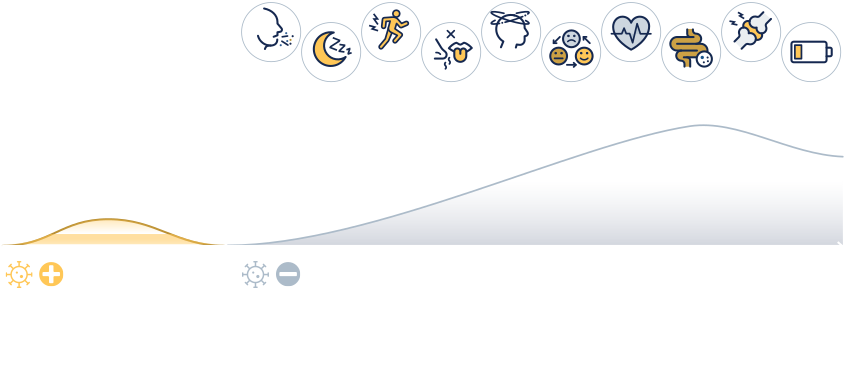
Other people don’t have any symptoms when they get COVID but start experiencing symptoms weeks or months later.
Long COVID symptoms can start at different times after a COVID-19 infection and affect people for different amounts of time.
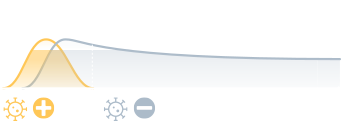
Some people start feeling sick when they get COVID and continue to have symptoms for months.
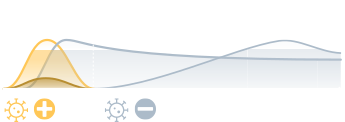
Other people start having new symptoms weeks or months after their acute COVID symptoms go away.

Other people don’t have any symptoms when they get COVID but start experiencing symptoms weeks or months later.

Long COVID symptoms can start at different times after a COVID-19 infection and affect people for different amounts of time.
Diagnosis
At this time, there is no specific test or measurement that can diagnose Long COVID.
If you are experiencing chronic symptoms associated with COVID, you can talk to a healthcare provider about your options for determining their causes.
Prevention
The best way to prevent Long COVID is to protect yourself against getting COVID.
Multiple studies show that COVID vaccines and boosters offer protection against different variants of the SARS-CoV-2 virus.
Research suggests that becoming very sick due to COVID or reinfections with the SARS-CoV-2 virus can increase a person’s risk of developing Long COVID. If you get COVID, you can ask a healthcare provider about your options for treating your acute symptoms.
Treatment and Care
At this time, there are no FDA-approved treatments designed specifically for Long COVID.
RECOVER researchers are studying the safety and effectiveness of different treatments for various Long COVID symptoms. These treatments include medicines, medical devices, exercises, changes in behavior, or combinations of different interventions.
If you are experiencing symptoms of Long COVID, you can talk to a healthcare provider. If needed, they can help connect you with medical experts who focus on a specific part of the body or disease (specialists). These specialists can tell you more about your options for managing and lessening the burden of your symptoms.
What RECOVER is Doing About Long COVID
RECOVER is making progress every day to understand, diagnose, prevent, and treat Long COVID. RECOVER research aims to:
Resources
You can find more information about Long COVID by consulting the following resources:

Get advice on talking to your doctor about your Long COVID symptoms, care options, and desired health outcomes.

Learn how to get care for young children (ages 0-5) or older children (ages 6-17) experiencing symptoms of Long COVID.

The National Academies of Sciences, Engineering, and Medicine (NASEM) released a working definition of Long COVID.


Learn more about the NIH’s research to understand COVID-19’s impact on children’s health.


Learn more about the Agency for Healthcare Research and Quality (AHRQ)’s efforts to address Long COVID.

View the U.S. Department of Health and Humans Services (HHS)’s guidance on treating Long COVID as a disability.