News and Events
Stay informed about RECOVER’s Long COVID research by reading the latest news and participating in upcoming events.

Stay informed about RECOVER’s Long COVID research by reading the latest news and participating in upcoming events.
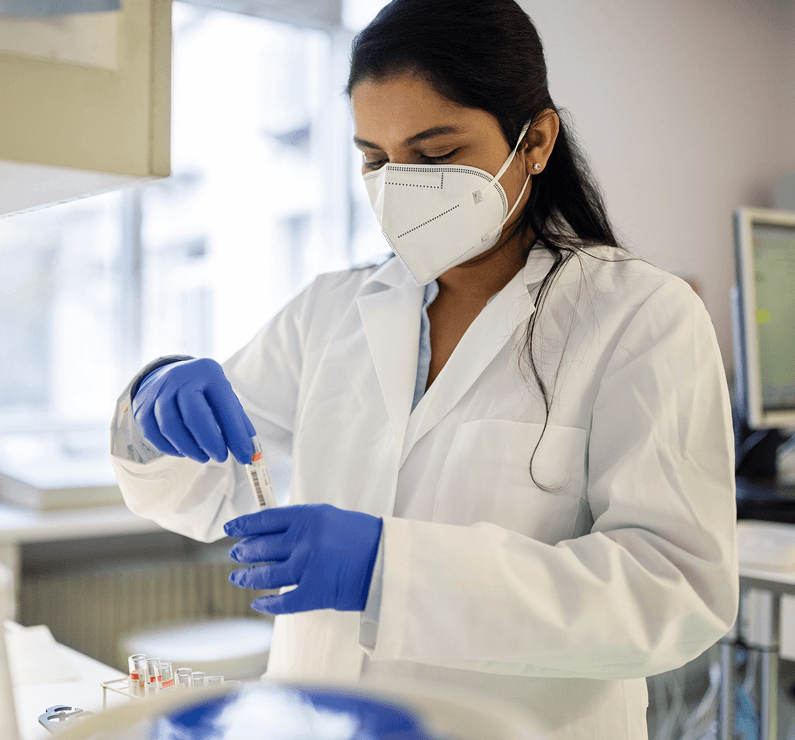
The next phase of RECOVER’s pathobiology studies will focus on discoveries that can more immediately inform efforts to diagnose, prevent, and treat Long COVID.
During 2 webinars hosted to raise awareness about pediatric Long COVID, RECOVER researchers and a RECOVER Representative discussed recent study findings, including how Long COVID affects the developing brain.
RECOVER Representatives use their lived experience and feedback from their communities to make recommendations that help make RECOVER-SLEEP trial participation simpler and more accessible.
The RECOVER Digital Health Program used wearable devices to monitor participants’ health data and understand how Long COVID affected their daily activities and sleep.
Recent RECOVER research has revealed important links between Long COVID and a range of other physical, mental, and emotional health conditions.
NIH leaders and RECOVER researchers will provide updates on RECOVER-Treating Long COVID (RECOVER-TLC), the next phase of RECOVER Long COVID clinical trials.
Leveraging staff expertise and consistent monitoring, a RECOVER-ENERGIZE clinical trial is exploring whether a personalized cardiopulmonary rehabilitation program can help people with Long COVID regain physical activity.
RECOVER released a call for ancillary pathobiology study proposals that will build on the more than 60 existing funded studies and will address unanswered questions about Long COVID.
Researchers found that severe COVID-19 can cause a strong immune response, which can cause the body’s immune system to attack itself and lead to new autoimmune diseases.